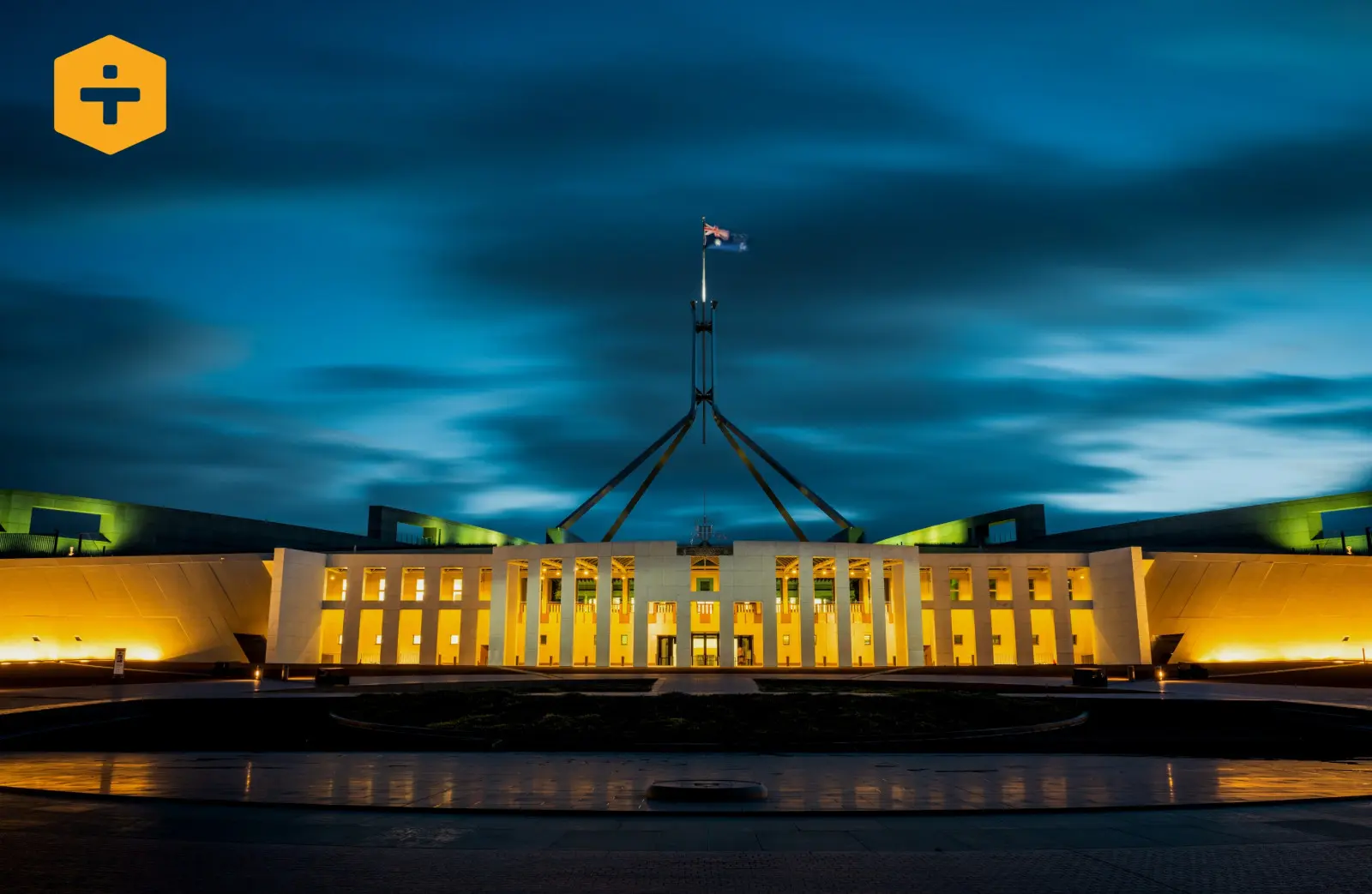
Pre-fabrication and modular homes could help fill the housing shortfall following Federal Treasurer Jim Chalmers inaugural Budget speech, which announced a target of a million new homes over five years.
Chalmers said an accord had been struck between the federal, state and territory governments and the private sector, including superannuation funds, to drive the housing initiative.
Housing affordability was one of the key pillars of the Labor government’s five point plan for addressing cost of living pressures in the economy as the nation grapples with ongoing inflation, which has hosed down any chance of a cash splash.
“The great Australian dream of home ownership seems completely out of reach … our country can do better than that,” Chalmers says.
“Rents are through the roof and many families are struggling to keep up. Supply hasn’t kept up with demand, which means too many people struggle to live close to where they work.”
The Treasurer also announced a $10-billion Housing Australians Future Fund which aims to deliver 30,000 social and affordable rental homes.

? The construction of a million new homes over the next five years was without a doubt one of the big ticket items of the Federal Budget.
Chalmers is hoping to bridge the gap between market rents and subsidised rents with a “small availability payment” which he says will make “projects commercially viable” for the private sector.
But just how the government intends to incentivise the private sector to lead the development of the affordable housing pipeline remains to be seen as Chalmers concedes the plan is “big” and “bold” but there is still more work to be done.
Housing All Australians founder Rob Pradolin says affordable housing is now in the spotlight, but he believes the private sector must lead the evolution.
He says the private sector can develop innovative solutions such as pre-fabricated or modular homes, which could help fill the gap without intensifying pressure on the construction industry.
Pradolin says the announcement is a good “first step” but he warns “the devil is in the details, and that detail straddles multiple layers of government”.
The government will need to avoid overstimulating the already pressed construction industry to deliver the proposed housing boost.

? Modular and prefab housing has been mooted as part of achieving the million-home promise.
“If the building industry is already at peak demand it will only drive the prices up, which means we will not get bang for our buck,” Pradolin says.
“Even if all the states agree to housing targets now, and move to free up land and rezoning, it’s not a tap that is going to turn on very quickly.
“We need to acknowledge that there will be lag, it takes about five years for changes to flow through.”
Pradolin says the layers of government and industry need to work collaboratively to address the problem and ensure every Australian has secure housing.
This was also at front of mind for the Treasurer, who said state and local governments would examine zoning and land supply issues to speed up the process.
He also flagged that the downsizing incentives would be rolled out, as would the federal government’s Help to Buy shared equity scheme.
But the big social and affordable housing rollout is still two years away as the industry struggles to digest the hangover from the HomeBuilder stimulus package and ongoing materials and labour shortages.

? Federal Treasurer Jim Chalmers: the verdict on his first budget from the property sector remains to be seen.
The Treasurer announced a further 180,000 new fee-free vocational education places in TAFEs next year, aimed at increasing workers across aged care, the digital economy and construction trades.
Housing Institute of Australia managing director Graham Wolfe says the Albanese government’s first budget showed leadership to “tackle Australia’s housing supply and affordability challenges”.
HIA data forecasts about 196,000 new homes are due to start in 2022 and 2023, falling to around 185,000 in 2024 and 2025, adding to Australia’s housing pressures.
“For every year that Australia doesn’t deliver enough new homes to meet demand across the housing continuum, we will see a negative impact on both housing affordability and rental affordability,” Wolfe says.
“HIA welcomes the opportunity to be part of the Housing Accord and identify ways to maintain a stable level of housing supply across the housing continuum, putting housing supply front and centre.”
Wolfe says once formed the National Housing Supply and Affordability Council must steer Housing Australia to collect and report on housing data that demonstrates progress towards the million new homes target.
Property Council of Australia chief executive Ken Morrison agrees the government will need to ensure there are more tangible measures for the ambitious target.
“The Government has commissioned the soon-to-be established National Housing Supply and Affordability Council to review the policy settings for institutional investment into housing, with specific mention of build-to-rent housing. This is a very welcome development which we have been arguing strongly for,” Morrison says.
“The target to create one million ‘new, well-located’ homes over five years from 2024 will mostly come from the private sector. This is at least 100,000 more than otherwise forecast through normal market activity.”
The multi-pronged approach is sorely needed in order to lure private investment from well-capitlaised superannuation institutions. But just how the country’s construction industry is going to absorb the extra demand is of concern according to RSM Australia property and construction national lead Adam Crowley.
“Labour supply and material shortages combined with inflationary pressures and rising interest rates are curbing new building activity which is adding to an already overflowing pipeline of work. Labour shortages are also biting with more than 33,000 job vacancies and almost 30 percent of businesses in Australia’s construction sector looking for new hires,” Crowley says.
“The value of building work yet to commence has climbed 19 percent over the past year to a record $126 billion, including about $71 billion worth of new residential homes, apartments and townhouses.
“The slowdown in new dwelling commencements and the longer-lead indicator of building approvals over the past year, comes at a time when parts of Australia are experiencing extreme rental stress and more international migrants are due to call Australia home after the Federal Government lifted the permanent intake to 195,000 in 2022-23.”
Taryn Paris