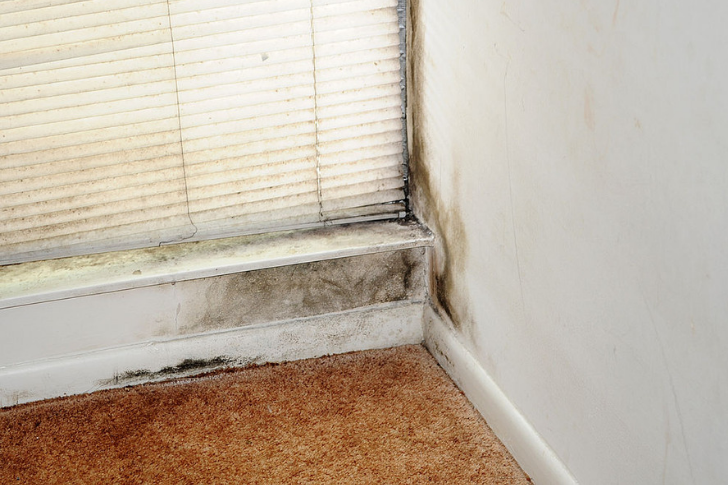
Whether you rent or own your property, it’s not uncommon to encounter a mould issue at some stage during the year if conditions become damp.
Here are some tips to help you avoid inviting mould into your home.
What is mould?
Mould is a fungal growth that thrives on moisture. It can grow in your home during the wetter months when conditions are damp, dark and poorly ventilated. Mould can grow in your bathroom, kitchen, cluttered storage areas, wall and roof spaces and behind furniture.
What health issues can mould cause?
When mould dries out or is disturbed, it releases spores which can cause illness in some people. It can also exacerbate existing health issues. This can include conditions like asthma, respiratory infections, sinus problems, rashes and watery, itchy red eyes.
Mould can also cause unpleasant odours and damage to building materials, contents and structures which may lead to expensive maintenance or management costs.
Where does mould come from?
Preventing mould at home requires a joint effort by you and your landlord. It’s important to stop moisture from entering your home and growing once it’s inside.
A few common culprits of mould include:
- surface water leaking into your property
- rising damp
- rain leaking into your house through the roof or walls
- poor ventilation
- showering, cooking and boiling without proper ventilation (exhaust fans/open windows)
- using clothes dryers and unflued gas heaters without proper ventilation
- indoor plumbing leaks
- indoor liquid spills
- storing large amounts of water-absorbent materials, such as books or cardboard boxes in a damp space
Both the tenant and landlord can be held responsible for damage caused by mould, depending on the circumstances.
The tenant’s responsibility for mould
If you’re renting property in Australia, you must:
- keep your rental property in a reasonable state of cleanliness;
- not intentionally or negligently cause or permit damage; and
- let your landlord or real estate agent know about any damage, as soon as possible.
As a tenant, you may be in breach of your rental agreement if mould develops because you:
- got the carpet wet and failed to treat it or let it dry out properly;
- didn’t aerate the bathroom by using exhaust fans or opening windows;
- left pools of water on the tiles outside the shower and let scum building up; or
- dried clothes indoors and didn’t air the room afterwards.
Has mould caused damage to your premises or belongings? You can ask your state’s Magistrates Court for compensation. Keep in mind that while your landlord could be at fault for causing the damage, you should make every reasonable effort to ensure you don’t suffer any losses.
You’ll need evidence if your matter is going to the Tribunal. Photographs are a great form of evidence. If you have a serious mould issue, take photographs of the problem area and include these in your evidence.
Another way to produce evidence is by using a report from a company that assesses mould contamination. These reports can be pricey, but you need to isolate the cause of the mould and find out how safe your house is to live in, they can be a good idea.
If you want to make a claim for items that you’ve lost or had to have cleaned because of the mould, make an itemised list and be sure to include any invoices and receipts.
The landlord’s responsibility for mould
Under tenancy law, property owners acting as the landlord must:
- keep the rental premises in a reasonable state of repair;
- meet building, health and safety requirements; and
- ensure repairs are undertaken in a reasonable period of time.
As a landlord, you could be facing a breach of the rental agreement if mould develops as a result of not attending to maintenance matters reported by the tenant, such as:
- damp walls caused by plumbing issues;
- a broken exhaust fan or wall-mounted heating unit; or
- a leaky roof, broken pipe or flood damage.
The key to keeping your rental property free of mould is common sense. If you’re a tenant, keep your home reasonably clean and stay in touch with your landlord. Tell them in writing as soon as you notice mould in your home that can’t be easily fixed.
If your valuables are being affected by mould, clean them quickly and put them somewhere that they won’t be damaged. For example, you should remove your clothing from a wardrobe where mould is growing.